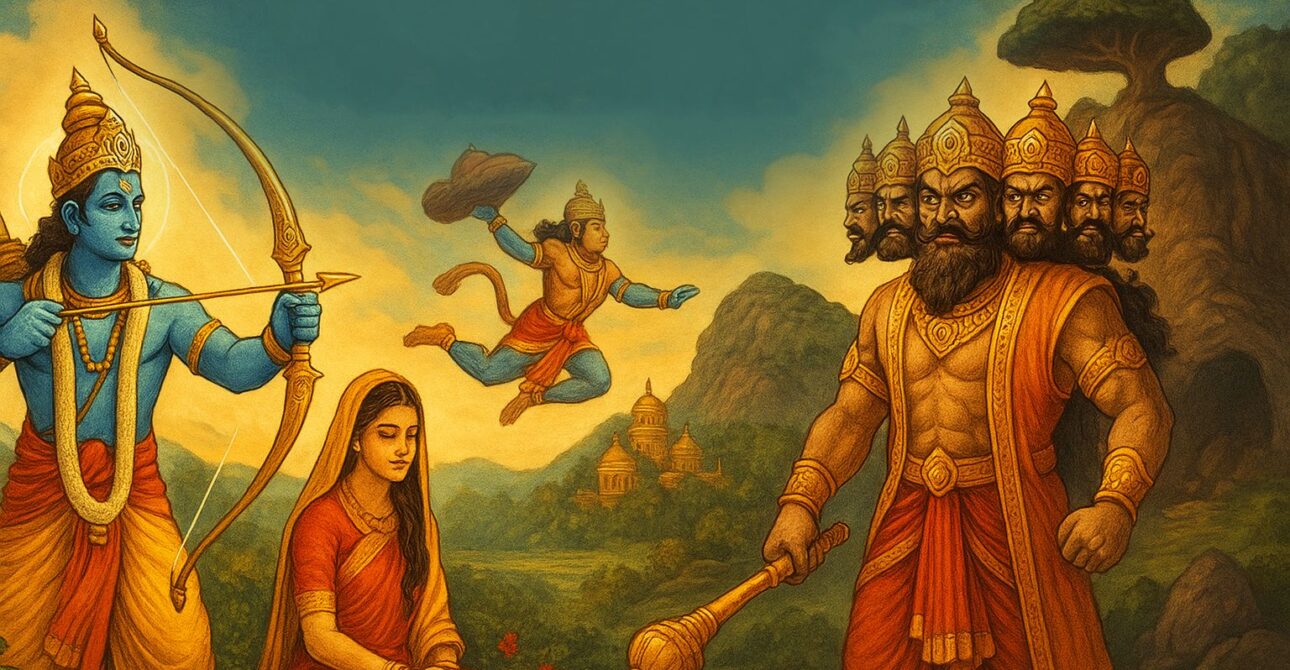
Sri Lanka which was once the capital island of Mighty Emperor Rawana naturally preserved the memories of the
iconic era of Ramayana locations.
The Ramayana provides a moral compass, showcasing how characters navigate to revered and understanding Hindu ethics and ideals. Ramyana in Sri Lanka for pilgrims with Amexi Lanka should make themselves available 7 nights of stay to feel the historicity of the great era, which includes hotels and a private chauffeured vehicle.
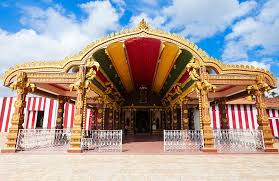
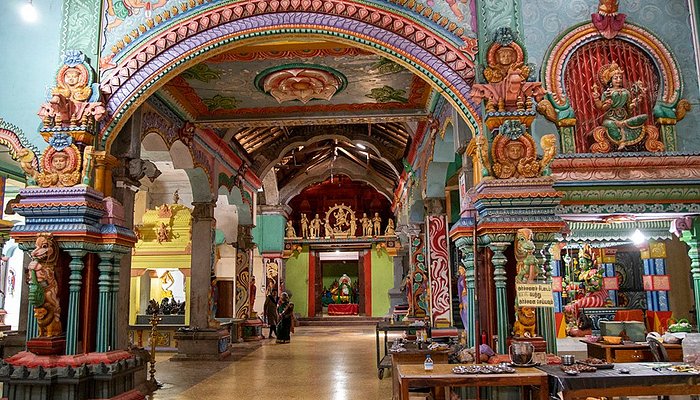
By visit Munneswaram temple and Manavari temple in Chilaw, reveled Ramayana mythology!
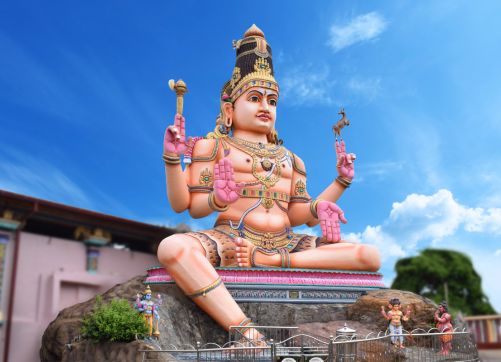
Munneshwaram means the first temple for Shiva (Munnu + Easwaram). A Shiva Lingam was already here when Lord Rama visited this place after his victorious battle left for Ayodhya with Sita in one of King Ravana’s Vimanas. He felt he was being followed by a Bramhaasthi Dosham (a malevolent black shadow) as he had killed King Ravana who was a Brahmin.
Manavari is the first place where the lord Rama installed and prayed the Shiva lingam after the end of the war with king Ravana to liberate Sita.
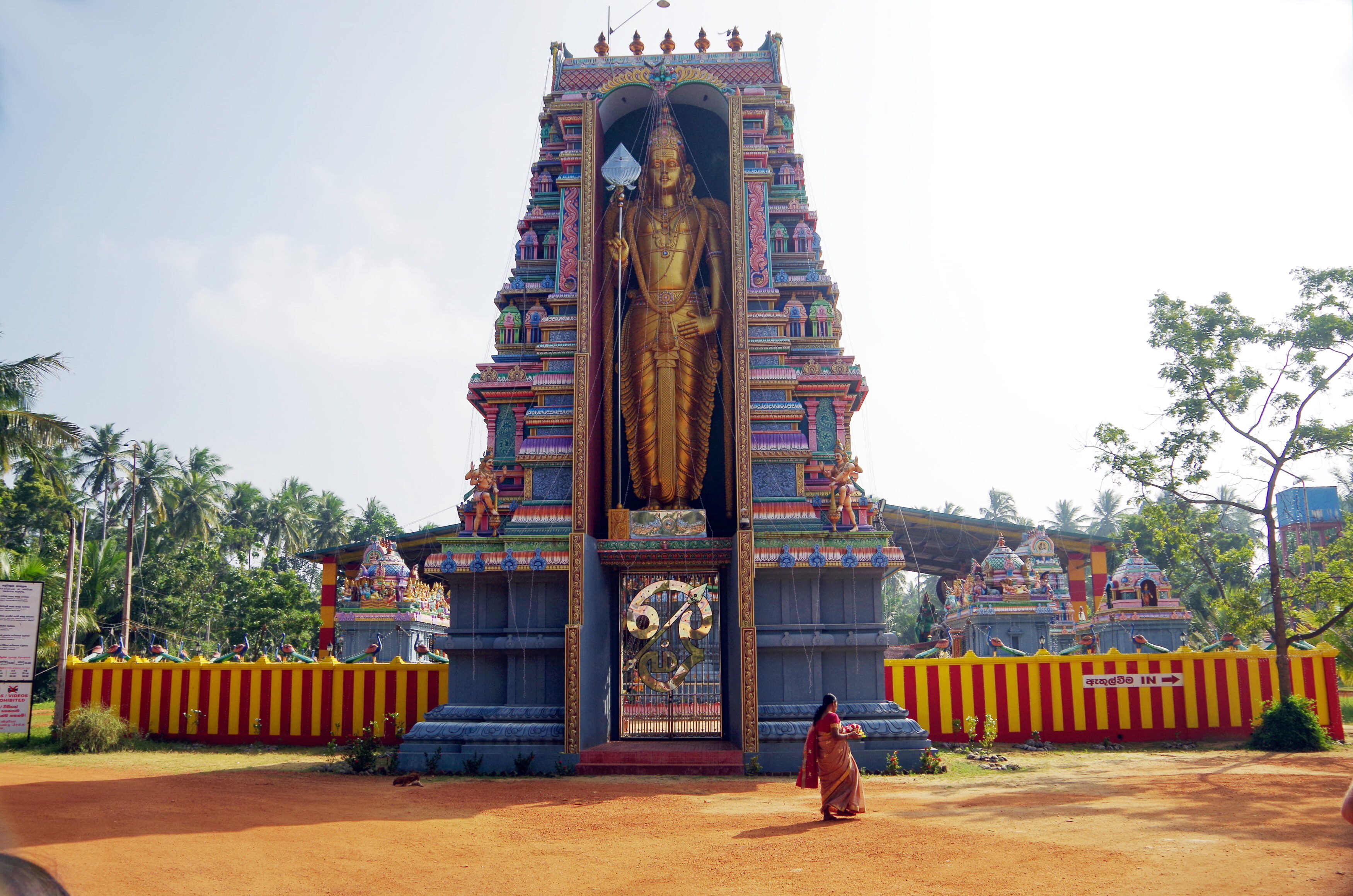
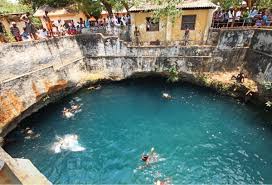
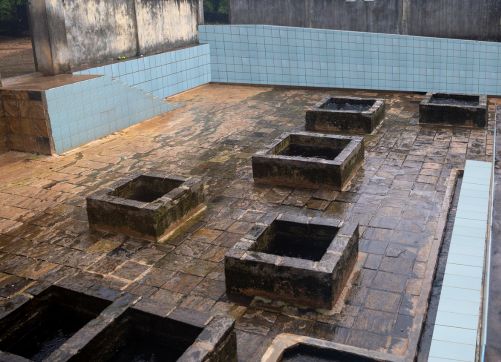
In Mannar and Jaffna, focuses on sites link to epic features like Nallur Kandaswamy Temple, Naguleswaram Temple and Nilavarai Well, plus exploring the symbolic Adam’s Bridge (Rama Sethu) in Mannar, offering a bled of spirituality, history and nothern Sri Lankan culture, often combined with Trincomalee sites like Thiru Koneshwaram and Kinniya hot water springs.
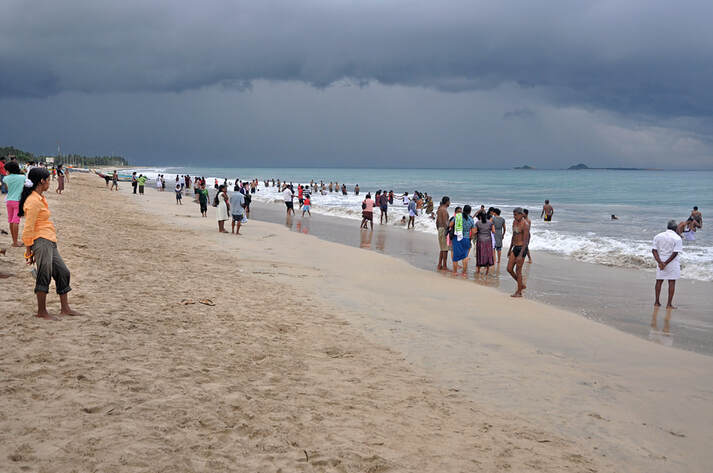
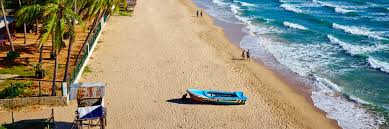
Adding Nilaveli Beach, Uppuveli and Pigeon Island National Park is a fantastic idea for a Sri Lankan coastal extension, offering soft white sands, there calm waters perfect for swimming /sunbathing, and world-class snorkeling/diving around Pigeon Island’s coral reefs with sea turtles and colorful fish.
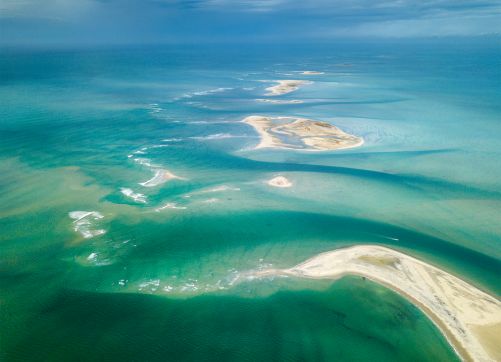
Adding Nilaveli Beach, Uppuveli and Pigeon Island National Park is a fantastic idea for a Sri Lankan coastal extension, offering soft white sands, there calm waters perfect for swimming /sunbathing, and world-class snorkeling/diving around Pigeon Island’s coral reefs with sea turtles and colorful fish.

In Sri Lankan Ramayana tourism with Amexi Travels, Sigiriya and Dunuwila Lake are key sites: Sigiriya, the majestic rock fortress, is linked to Ravana’s city and Sita’s captivity, while Dunuwila Lake signifies the spot where Load Rama used his Brahma Astre (A legendary, immensely powerful celestial weapon from Hindu mythology) to defeat Ravana, its name meaning “arrow lake,” offering a blend of myth, spirituality, and natural beauty for pilgrims and adventurers.

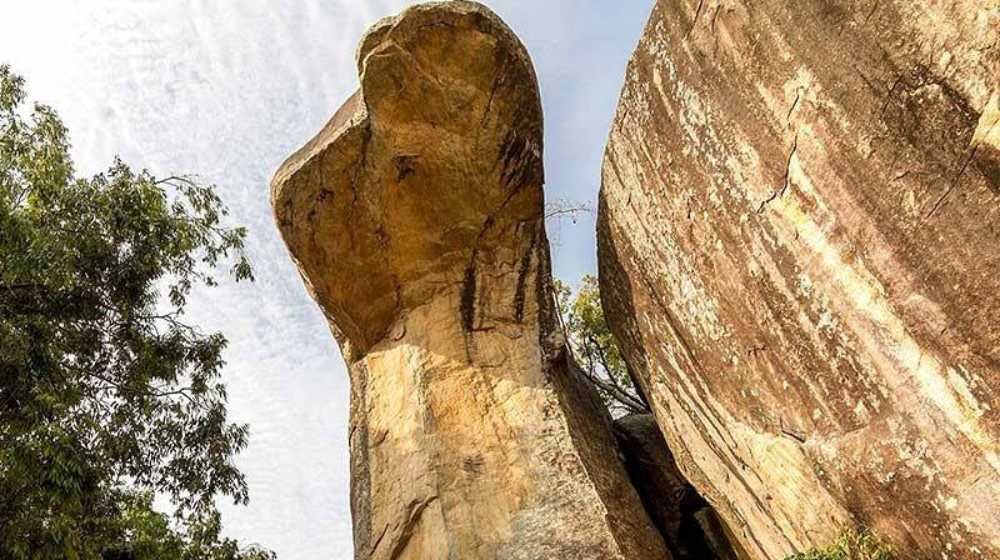
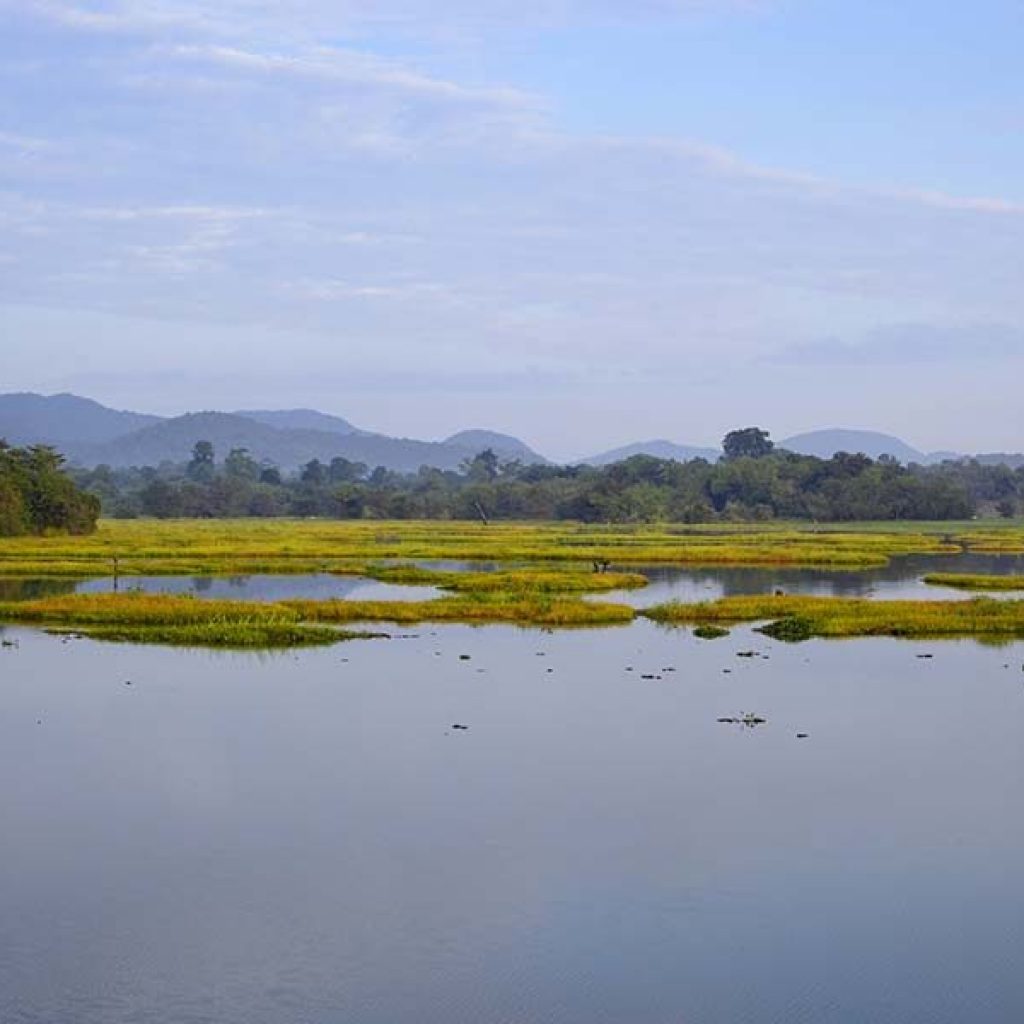
Enroot visiting Temple of the Sacred Tooth Relic in Kandy is a key highlight, often included as a cultural / spiritual stop.
- Sita Kotuwa (Sita’s Fort) in Hasalaka, Sri Lanka, is a key Ramayana site where Sita Devi was first held captive by Ravana before being moved.
- The famous Chariot Path: A grassy pathway on the mountaintop, believed to be used by Ravana to show Sita his kingdom.
- The Sri Bhakta Hanuman Temple, marking the legendary spot where Lord Hanuman searched for Sita Devi during the Ramayana. It features Sri Lanka’s tallest Hanuman statue (18 feet), offers panoramic views, spiritual solace, and is a key stop on the Ramayana Tour.
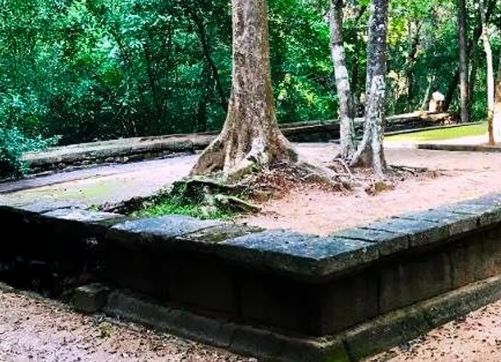

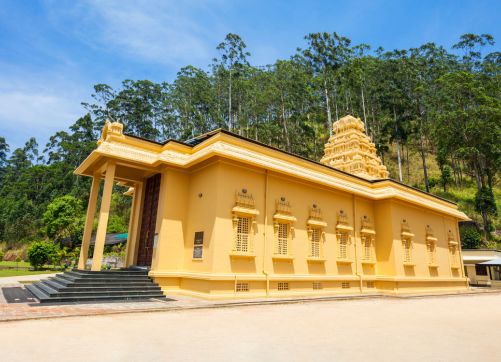
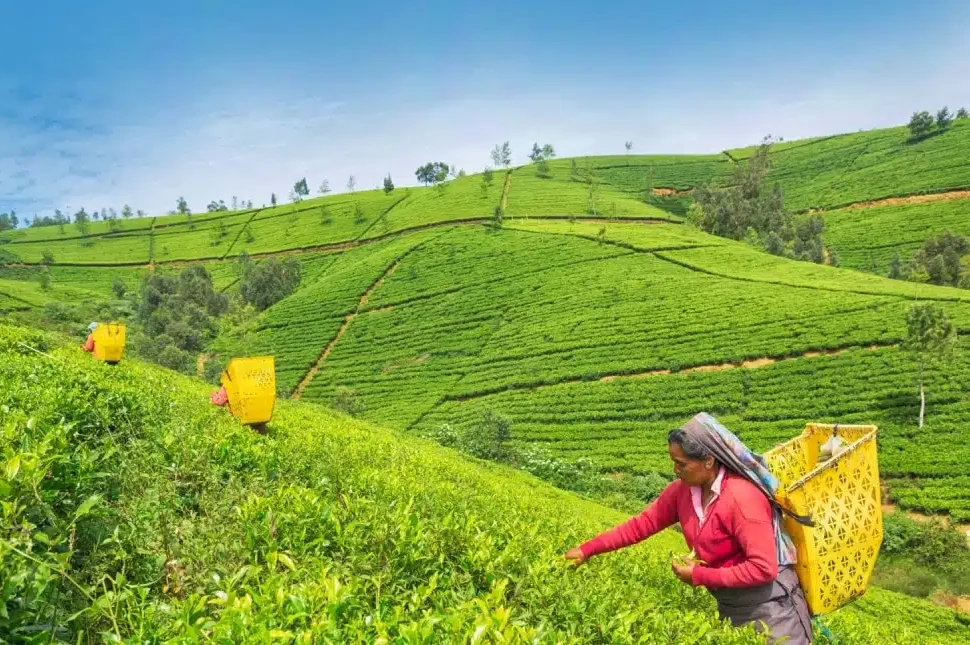
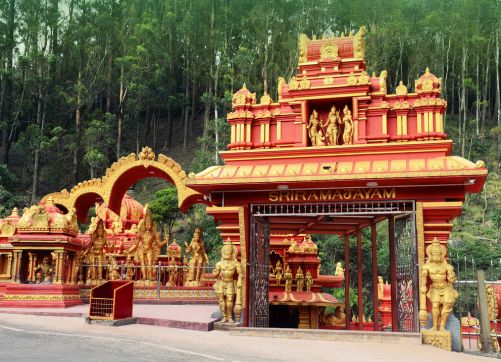
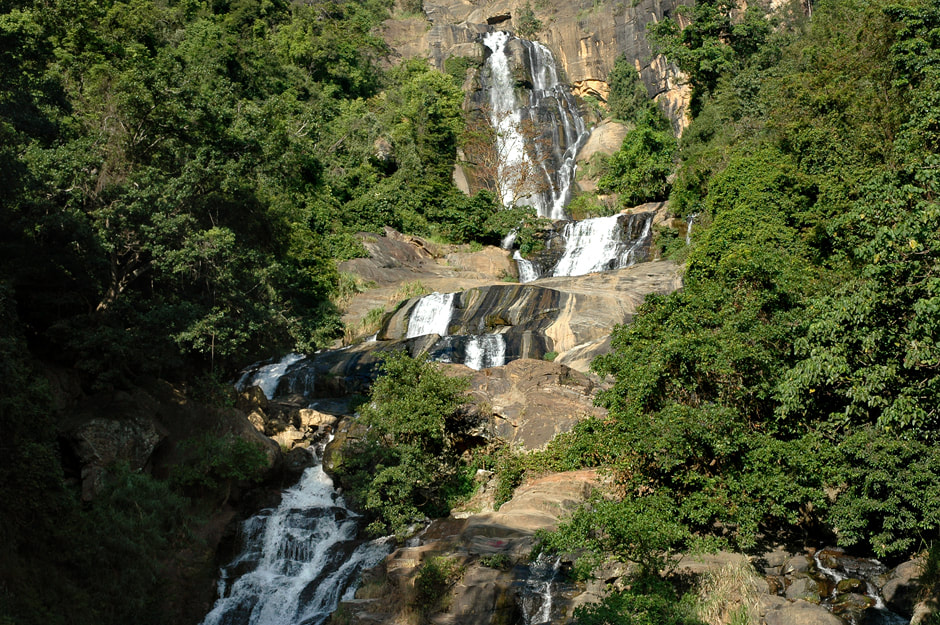
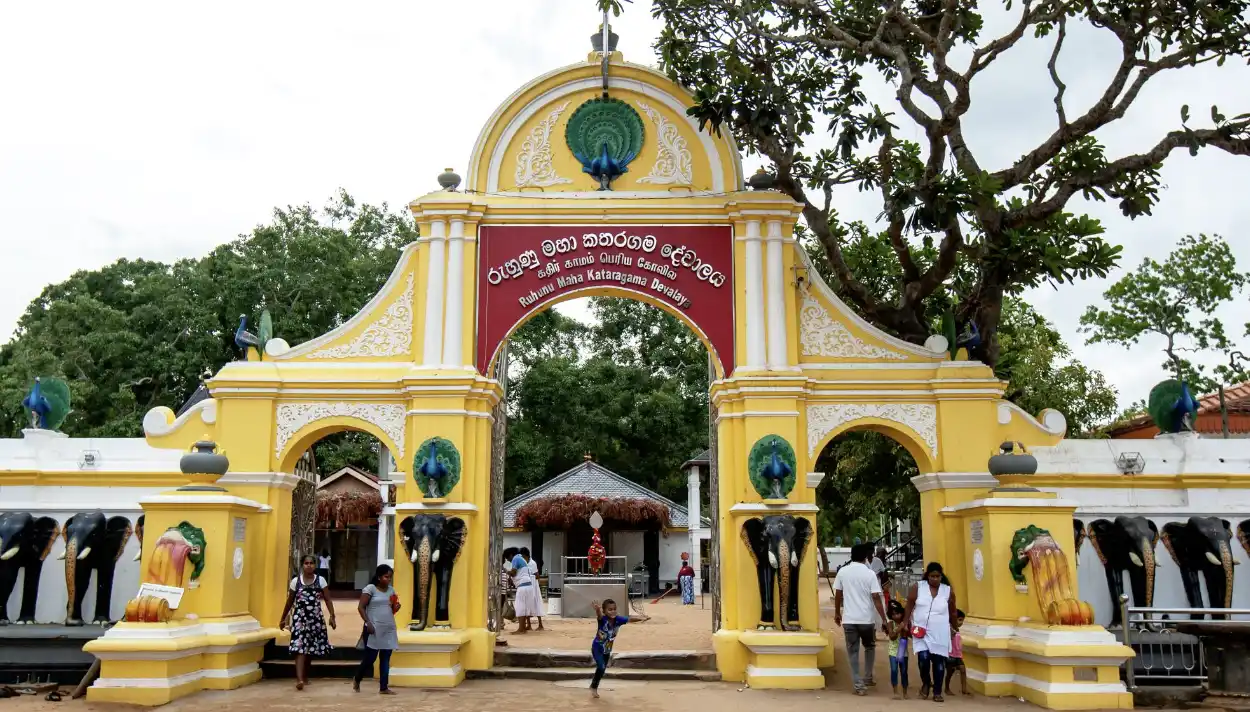
A Nuwara Eliya, Ella and Katharagama Ramayana tour focuses on sites from the epic: Nuwara Eliya Seetha Amman Temple. In Ella Ravana Falls, Ravana Caves where Sita was held captive and in Kataragama, Kataragama Temple. Ussangoda National Park- Ravana’s landing strip/torched area and Rumassala with posts highlighting these sacred spots. The legendary tales of Sita’s captivity, purification (Agni Pariksha) at Divurumpola.
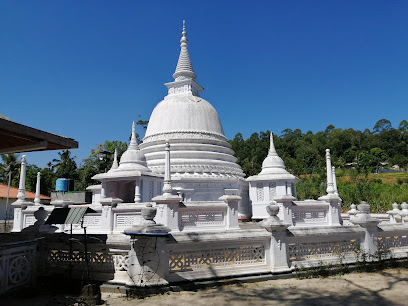

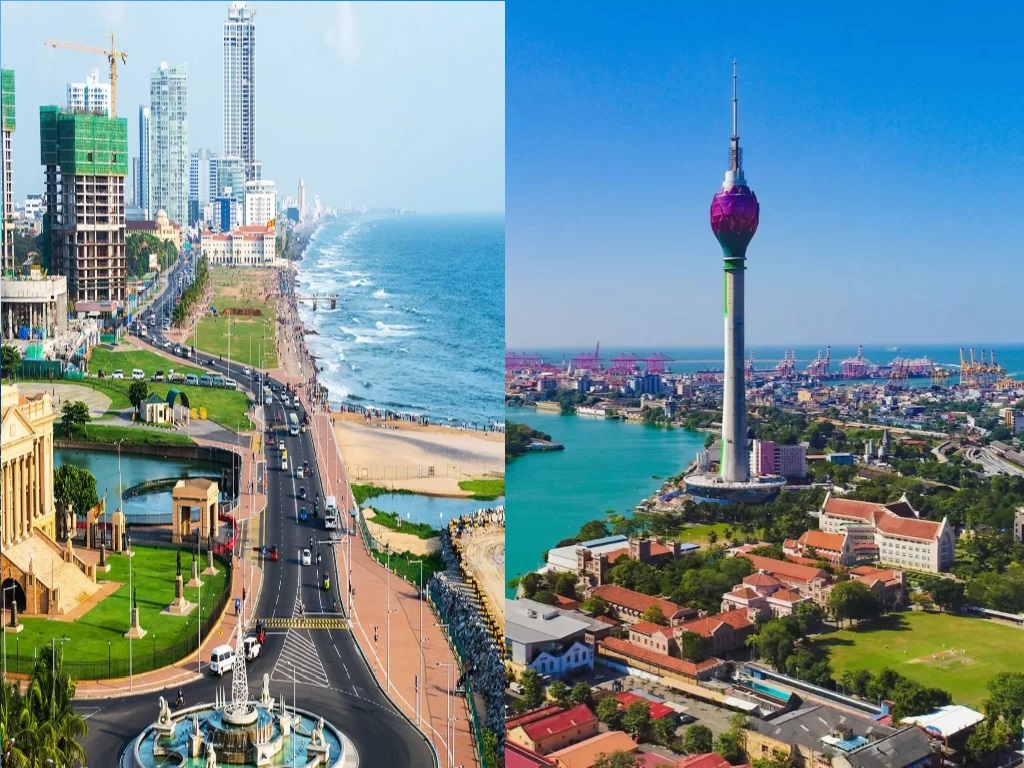
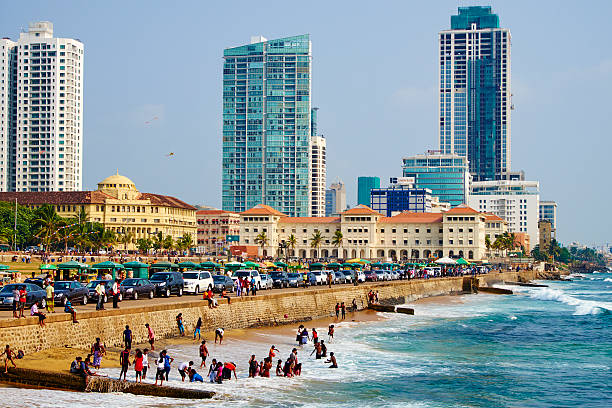
Amexi Lanka Ramayana tour can perfectly conclude in Colombo by visiting the Kelaniya Temple (It’s believed to be the spot where King Vibhishana, Ravana’s righteous brother, was crowned by Lakshmana after Rama’s victory). Taking a Colombo city tour for shopping, culture and other signification sites like Lotus Tour, making it a great final stop for exploring Ramayana legends and modern Sri Lankan life.